- Home
- Machinery
- Metal Spinning Machines
- Flow Forming Machines
- Wheel Forming Machines
- Shear Forming Machines
- Necking-In / Closing Machines
- Rotary Forging Machines
- Pulley Forming Machines
- Trimming, Beading,… Machines
- Circular and Ring Shears
- Custom Machines and R&D
- Robotics, Loading & Unloading
- Upgrades – Used – Retrofits
- DENN Software / Technologies
- Machinery Technologies
- Applications & Industries
- Lubricants
- News & Updates
- Contact / Info / Service

Innovation and Experience in building metal spinning and flow forming machines - DENN
Innovation and Experience in building metal spinning and flow forming machines - DENN
Top 10 Metal Forming Software Solutions to Boost Productivity?
In the ever-evolving manufacturing landscape, the use of metal forming software has gained immense significance. These solutions streamline processes, improve efficiency, and ultimately enhance productivity. With the right tools, manufacturers can optimize designs and reduce material waste.
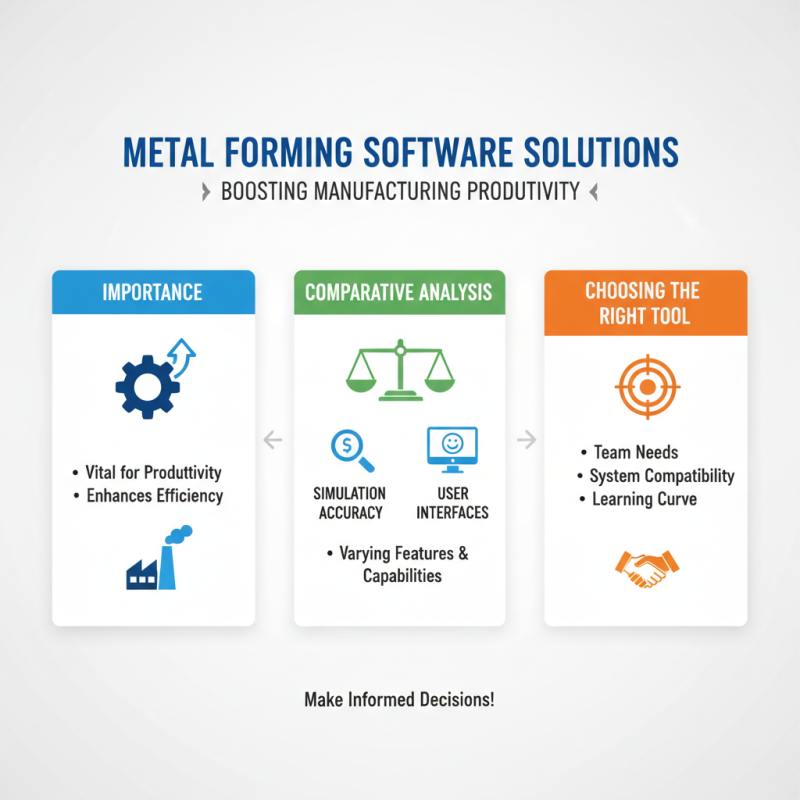
Metal forming software varies in features and capabilities. Some focus on simulation, while others excel in design or analysis. This diversity means that choosing the right software can be a daunting task. Every company has unique needs, which complicates decision-making. Yet, this challenge offers an opportunity for growth and improvement.
Adopting advanced metal forming software is not always straightforward. There may be initial resistance from teams accustomed to traditional methods. Transitioning can also disrupt workflows temporarily. However, the long-term benefits are undeniable. Embracing these technologies can lead to substantial gains in productivity and cost savings. It’s a decisive step that demands careful reflection and planning.
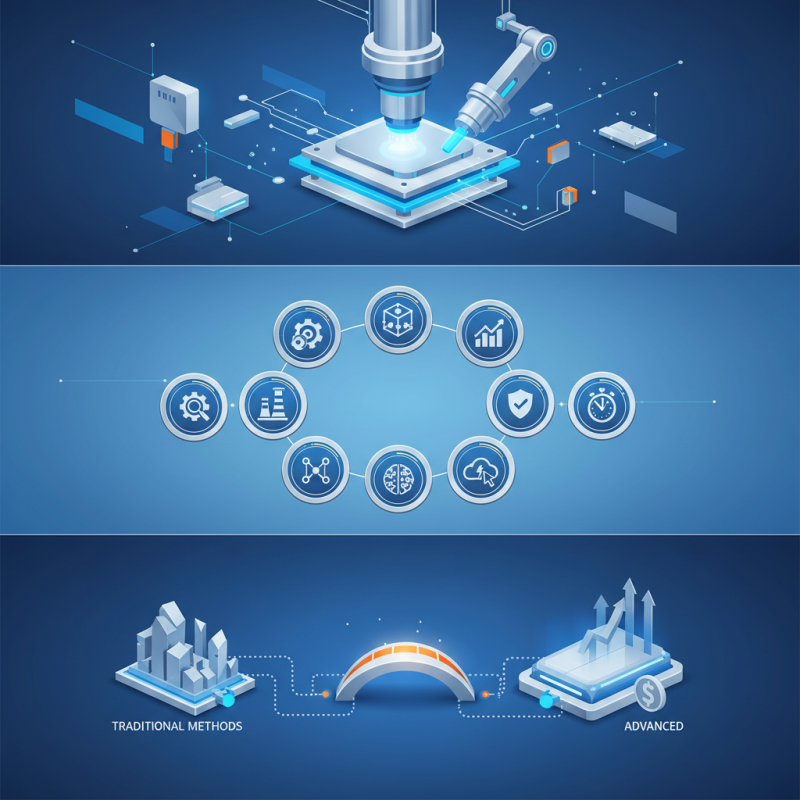
Table of Contents
[Hide]
Overview of Metal Forming Software Solutions
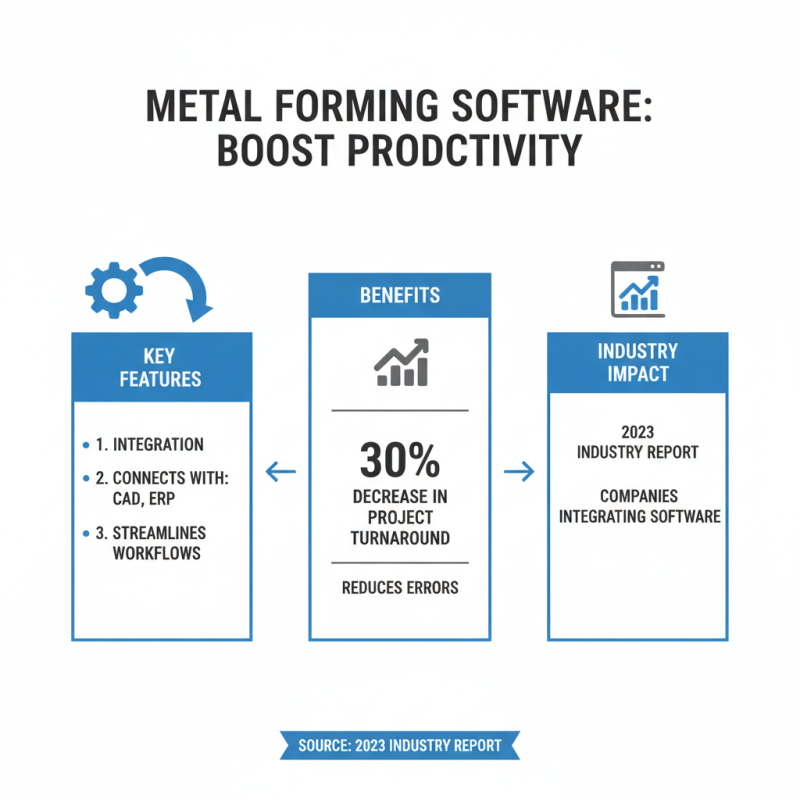
In the world of metal forming, software solutions play a crucial role in enhancing productivity. These tools streamline processes such as design, simulation, and production planning. They offer capabilities to analyze metal behavior, which can save time and reduce costs during the manufacturing process. Effectively utilized, they can significantly increase efficiency and accuracy.
When choosing the right software, consider user experience. A user-friendly interface can reduce training time for new employees. Take time to explore various functionalities. Some may offer advanced simulation options, while others may excel in project management. Not every tool fits all needs.
Tip: Evaluate your specific requirements before making a choice. Sometimes, simpler solutions can lead to better outcomes. Remember, integrating new software might introduce unexpected challenges. Regular feedback from users can guide improvements and adaptations.
The integration process can reveal flaws in existing workflows. Such moments are opportunities for growth. Embrace feedback as a means to refine procedures and enhance performance. Software should not just be a tool; it should evolve with company needs.
Related Posts
-
How to Choose the Right Lock Forming Machine for Your Business?
-
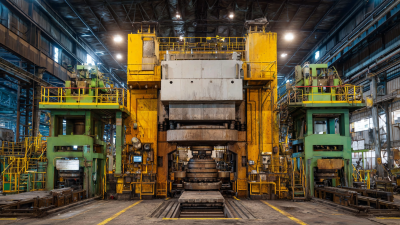
What is a Steel Forming Machine? A Comprehensive Guide to Understanding Its Uses and Benefits
-
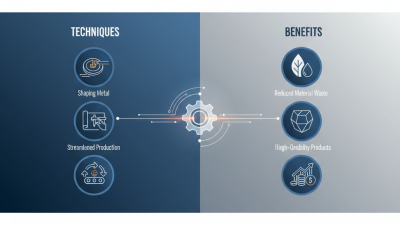
Best Tips for Efficient Denn Metal Spinning: Techniques and Benefits Explained
-

Top 10 Benefits of Precision Metal Forming for Modern Manufacturing?
-

2025 Top Digital Metal Machining Equipment Trends You Need to Know
-
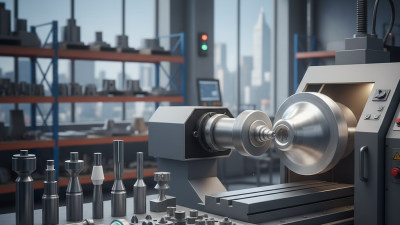
How to Choose the Best Metal Spinning Lathe Tools for Your Projects