What is a Roll Forging Machine and How Does It Work?
In the rapidly evolving manufacturing landscape, the roll forging machine stands out as a powerful tool. According to industry expert John Smith, “The efficiency of roll forging machines can reshape production standards.” This type of machinery streamlines the forging process, allowing for intricate designs and robust shapes.
Roll forging machines operate using a series of rolls to shape metal into desired forms. This method is not only efficient but also reduces material waste. However, one must consider the machine's setup and maintenance complexities. Precision is vital; even small errors can lead to significant defects in the final product.
Moreover, understanding the limitations of roll forging machines is essential. While they excel in many applications, some intricate shapes may be challenging to achieve. It’s crucial to assess when a roll forging machine is truly beneficial. Companies often need to weigh efficiency against potential drawbacks, ensuring the right fit for their production needs.
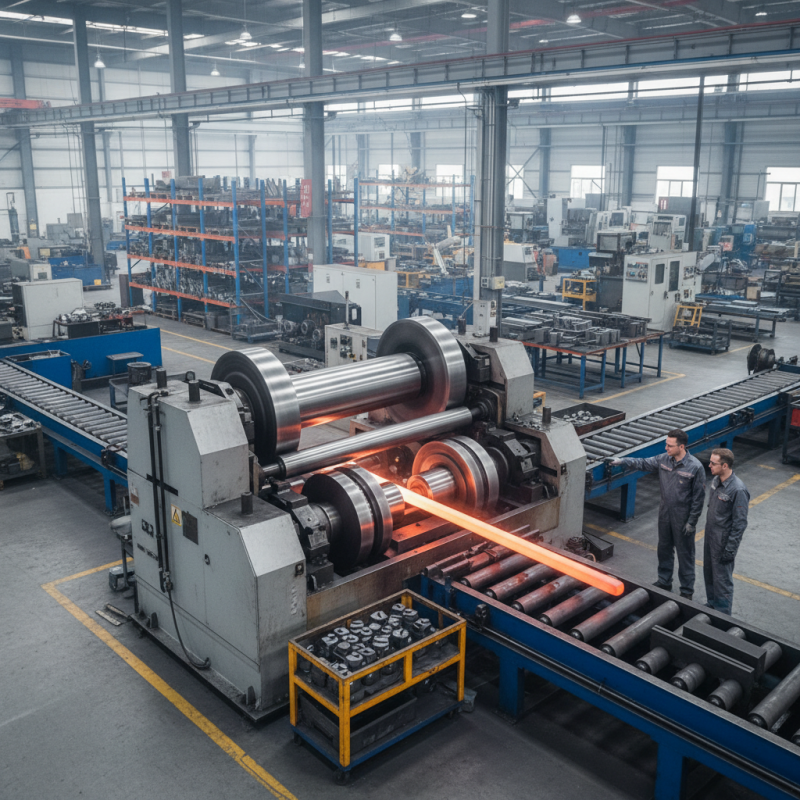
What is a Roll Forging Machine?
A roll forging machine is a specialized tool used in metalworking processes. It shapes metal by passing it between
two or more rollers. These rollers reshape the material without cutting. This method is efficient for producing long, uniform parts with improved mechanical properties.
Roll forging is different from traditional forging. In roll forging, the material moves continuously through the machine. The process requires precise control of
temperature and speed. When heated correctly, the metal becomes malleable. It allows for smooth deformation, resulting in stronger components.
Tip: Ensure the material is prepared properly. Proper heating and cleanliness influence the final product's quality. Overheating can lead to defects.
Choosing the right roller design is crucial. Different geometries affect the final shape and properties of the part. If not well thought out, this can lead to
inconsistencies in production. It’s important to check the alignment of rollers frequently.
Tip: Regular maintenance of the machine is essential. Scheduled checks can prevent unexpected failures and improve efficiency. Always pay attention
to unusual noises or vibrations during operation.
Key Components of Roll Forging Machines
Roll forging machines are essential in the metalworking industry. They reshape metal bars into desired forms using cylindrical rollers. Key components of these machines include the rollers, frames, and transmission systems. Each component plays a crucial role in the efficiency and quality of the forging process.
The rollers are typically made from high-quality steel. Their surface finish directly impacts the forging results. Studies indicate a direct correlation between roller hardness and product longevity. Frames provide structural integrity, sustaining the pressure during operations. They must be robust to handle the intense forces involved. Transmission systems, often gears or belts, ensure smooth operation, affecting the overall productivity.
However, many manufacturers overlook maintenance schedules. Regular monitoring of rollers can prevent unexpected failures. Approximately 15% of downtime in roll forging arises from unaddressed wear and tear. This statistic highlights the importance of consistent upkeep. Optimizing machine performance can lead to significant increases in output efficiency, yet many still remain complacent.
Production Capacity of Roll Forging Machines by Year
The Roll Forging Process Explained
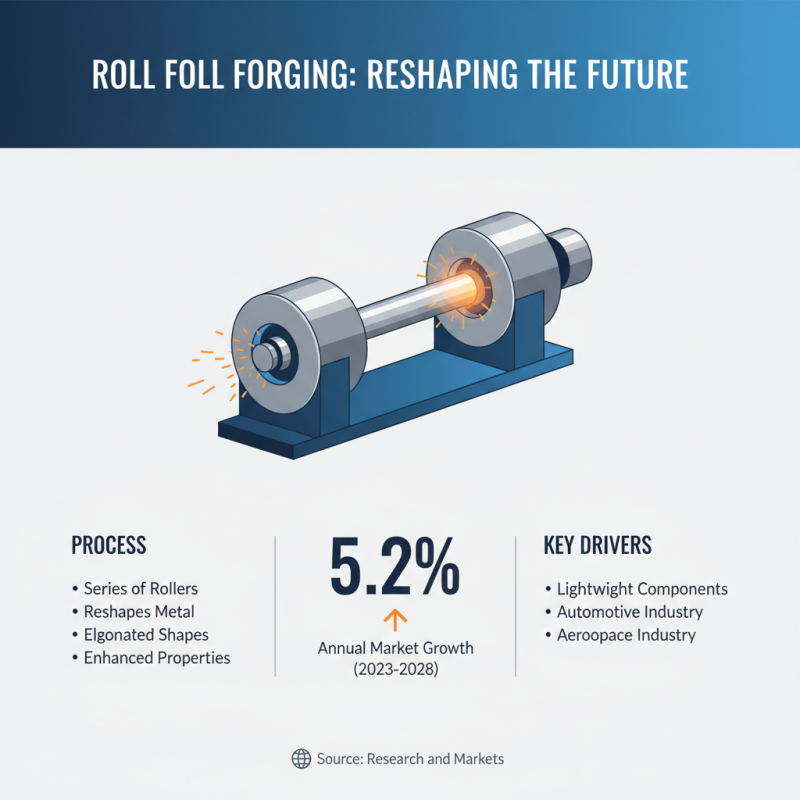
Roll forging is a unique metal forming process that reshapes material through a series of rollers. This technique allows manufacturers to produce elongated shapes with enhanced mechanical properties. According to a report by Research and Markets, the roll forging market is expected to grow by 5.2% annually over the next five years. This growth is driven by the demand for lightweight components in automotive and aerospace industries.
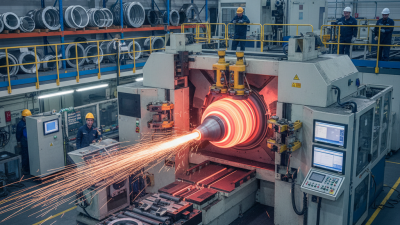
The process itself involves placing a heated metal billet between two rollers. As the rollers turn, they apply pressure, which elongates and shapes the metal. This transforms the material’s grain structure, improving its strength. Industry experts note that roll forging can save up to 30% in material costs compared to traditional forging methods. However, not every shape can be produced efficiently. Complex designs may require additional machining, increasing overall production time.
Despite its advantages, the roll forging process can face limitations. Precision may vary based on initial billet size and roller design. Engineers must be cautious when designing parts, as subtle changes can lead to significant defects. The process requires careful monitoring and adjustments to ensure quality. Understanding these nuances is essential for optimizing production efficiency and achieving the desired outcomes.
Applications of Roll Forging in Industry
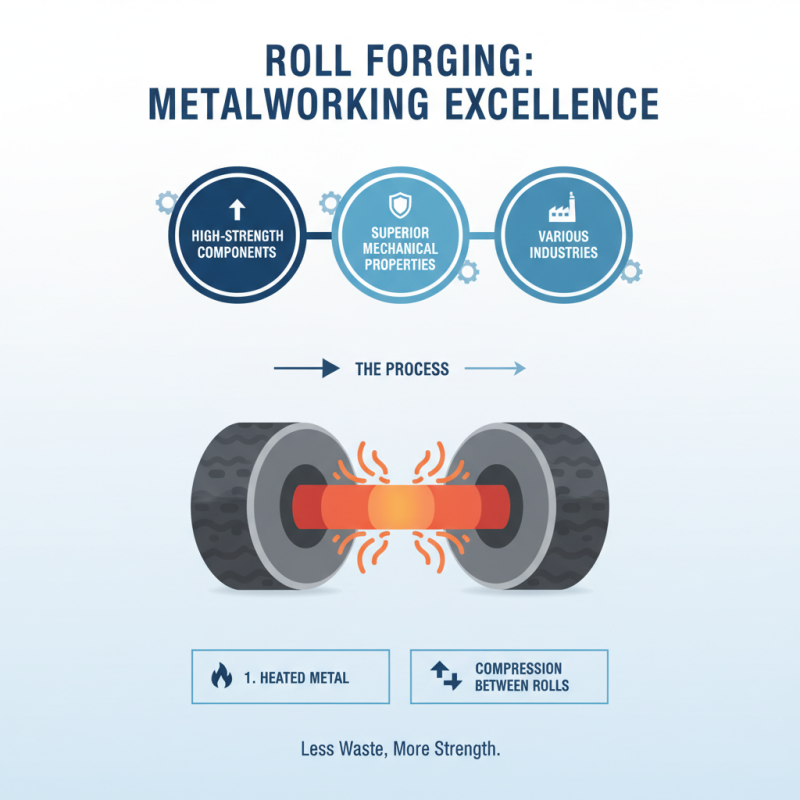
Roll forging is a unique method in metalworking. This process is utilized in various industries for producing high-strength components. Manufacturers favor it for creating items with superior mechanical properties. The technique involves compressing heated metal between two rolls.
In the automotive industry, roll forging creates parts like axles and gears. These components require high durability and strength. The process reduces waste, making it efficient for mass production. Engineers appreciate the uniformity in thickness. However, not every design suits roll forging, leading to a need for precise planning.
Aerospace applications also benefit from roll forging. Wing structures and turbine blades often use this technique. The production requires specialized machines. The complex geometry can pose challenges. Adjustments might be necessary during the forging process to ensure quality. Ultimately, understanding the limitations is crucial for maximizing benefits.
Advantages of Using Roll Forging Machines
Roll forging machines are pivotal in modern manufacturing. They offer several advantages that impact the quality and efficiency of production processes. One key benefit is their ability to create complex shapes with minimal waste. The process ensures that metal is deformed without cutting, leading to higher material utilization. This efficiency can significantly lower production costs.
Another notable advantage is the enhanced strength of the forged materials. The process refines the grain structure, which improves toughness and ductility. It's not uncommon to see components made this way last longer under stress. However, achieving the perfect conditions for roll forging can be challenging. Wear and tear on the machinery must be managed carefully.
**Tips:** Regular maintenance of roll forging machines can prevent unexpected downtime. Periodic checks on the rollers can save on costs. Training operators thoroughly is key; knowledge of the system leads to better outcomes.
What is a Roll Forging Machine and How Does It Work? - Advantages of Using Roll Forging Machines
| Dimension |
Description |
Advantages |
| Machine Type |
Roll Forging Machine |
High efficiency in metal shaping |
| Material Capacity |
Alloy Steel, Carbon Steel |
Versatile for different materials |
| Production Rate |
Up to 400 pieces per hour |
High output suitable for mass production |
| Typical Applications |
Automotive parts, Structural components |
Used in critical and structural applications |
| Energy Consumption |
Lower energy usage compared to traditional forging |
Cost effective and sustainable |
| Tooling |
Customizable rolls for specific shapes |
Precise shaping and reduced waste |
| Operator Skill Level |
Moderate skill requirement |
Easier training and operation |