- Home
- Machinery
- Metal Spinning Machines
- Flow Forming Machines
- Wheel Forming Machines
- Shear Forming Machines
- Necking-In / Closing Machines
- Rotary Forging Machines
- Pulley Forming Machines
- Trimming, Beading,… Machines
- Circular and Ring Shears
- Custom Machines and R&D
- Robotics, Loading & Unloading
- Upgrades – Used – Retrofits
- DENN Software / Technologies
- Machinery Technologies
- Applications & Industries
- Lubricants
- News & Updates
- Contact / Info / Service

Innovation and Experience in building metal spinning and flow forming machines - DENN
Innovation and Experience in building metal spinning and flow forming machines - DENN
How to Use a Metal Spinning Lathe for Precision Manufacturing?
In the world of precision manufacturing, the metal spinning lathe stands out. Experts like Dr. Sarah Johnston, a leading authority in metalworking technology, emphasize its importance. She once stated, "The metal spinning lathe revolutionizes how we approach complex shapes in manufacturing."
Using a metal spinning lathe can be a game changer for many industries. It allows for the creation of intricate designs with high accuracy. However, mastering this tool requires practice. New users often face challenges, like achieving consistent wall thickness. Mistakes can lead to wasted materials and time.
Learning how to operate a metal spinning lathe properly is essential. Attention to details is crucial for success. Many users have noted that perfecting their technique takes time. The journey may be filled with setbacks. Yet, the rewards of precision and efficiency are worth the effort.
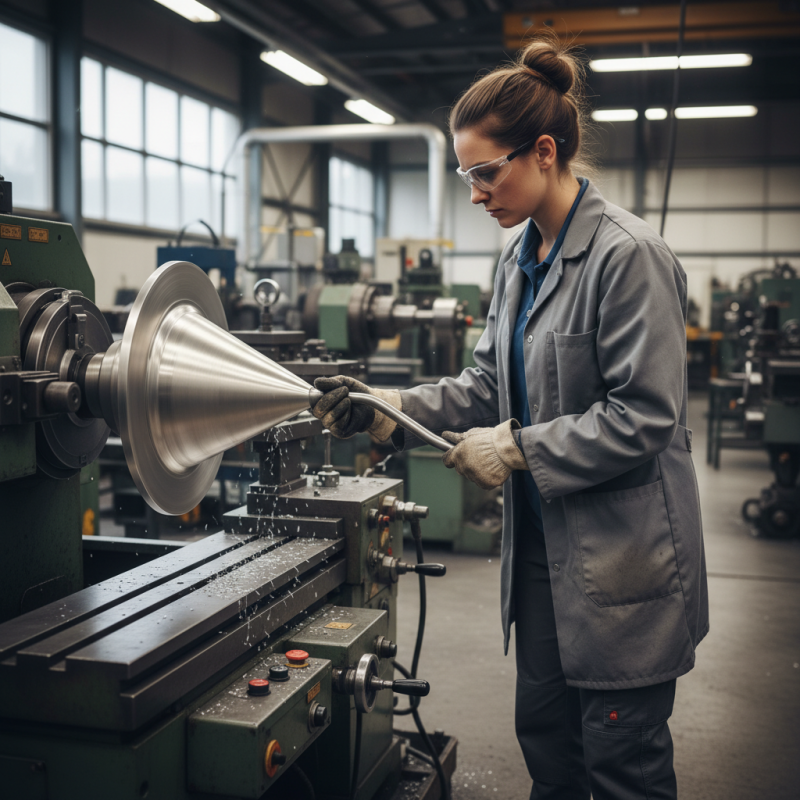
Table of Contents
[Hide]
Understanding the Basics of Metal Spinning Lathes in Manufacturing
Metal spinning lathes play a crucial role in precision manufacturing. Understanding their basics can enhance production quality significantly. According to a recent industry report from the Manufacturing Institute, nearly 68% of manufacturers are adopting advanced technologies like metal spinning. This indicates a growing reliance on such machines for creating precise components.
Metal spinning is a highly versatile process. It transforms metal sheets into rotationally symmetrical parts. This method is widely applicable in sectors like aerospace and automotive. Exact dimensions are critical in these industries. The ability to produce components with a tolerance of ±0.02 mm is impressive, yet often challenging. Many operators struggle with maintaining such precision consistently.
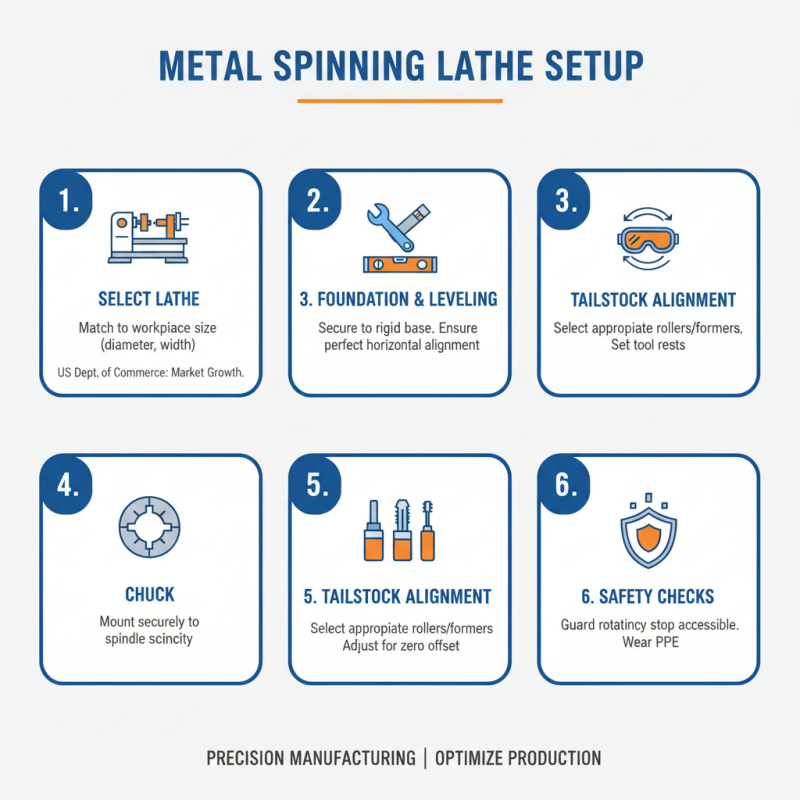
Operators need to be aware of the learning curve associated with metal spinning lathes. The setup can be intricate. Techniques such as tooling and workpiece holding can vary widely. Reports suggest that approximately 15% of production time is lost due to inefficiencies in setup. Workers often reflect on these setbacks, knowing they could improve. Understanding the mechanics and practicing techniques can lead to better outcomes and reduced wastage.
How to Use a Metal Spinning Lathe for Precision Manufacturing
| Parameter | Details |
|---|---|
| Lathe Type | Metal Spinning Lathe |
| Material Used | Aluminum, Steel, Brass |
| Spinning Process | Forms metal into desired shapes using a rotating mandrel. |
| Precision Level | High precision within ±0.01 mm |
| Applications | Aerospace, Automotive, Electronics |
| Advantages | Cost-effective, Less material waste, Complex shapes |
| Safety Measures | Use protective gear, ensure proper machine maintenance |
Related Posts
-

Top Metal Spinning Tools to Enhance Your Manufacturing Process in 2025
-
Best Tips for Efficient Denn Metal Spinning: Techniques and Benefits Explained
-
10 Essential Tips for Mastering Metal Spinning Roller Techniques?
-
Discover the Future of Industry with Advanced Global Metal Spinning Solutions
-
How to Choose the Best Metal Spinning Lathe Tools for Your Projects
-
How to Effectively Use Spin Forming Metal Techniques in Manufacturing