- Home
- Machinery
- Metal Spinning Machines
- Flow Forming Machines
- Wheel Forming Machines
- Shear Forming Machines
- Necking-In / Closing Machines
- Rotary Forging Machines
- Pulley Forming Machines
- Trimming, Beading,… Machines
- Circular and Ring Shears
- Custom Machines and R&D
- Robotics, Loading & Unloading
- Upgrades – Used – Retrofits
- DENN Software / Technologies
- Machinery Technologies
- Applications & Industries
- Lubricants
- News & Updates
- Contact / Info / Service

Innovation and Experience in building metal spinning and flow forming machines - DENN
Innovation and Experience in building metal spinning and flow forming machines - DENN
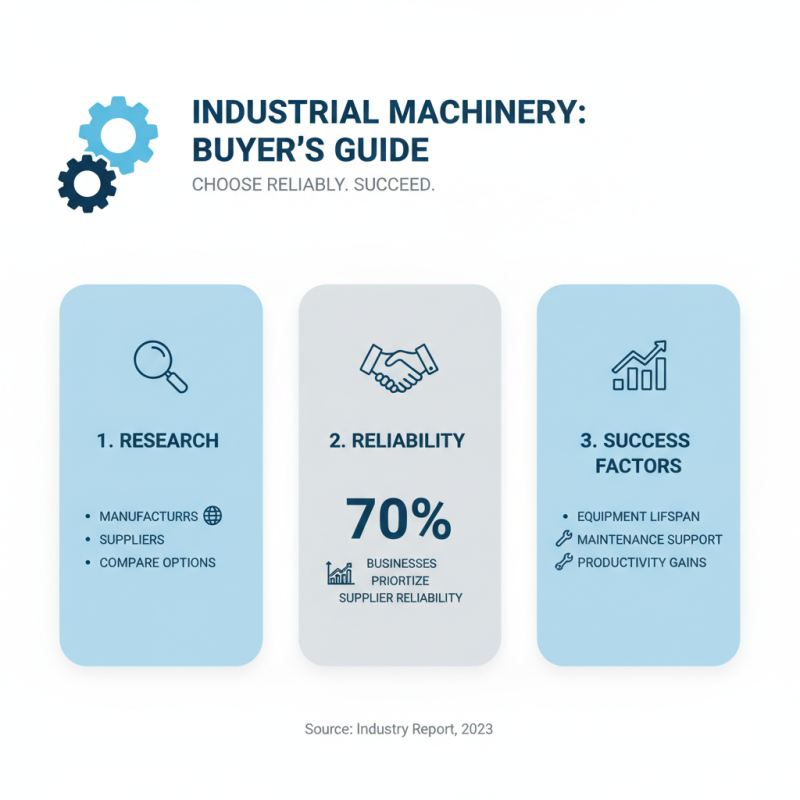
2026 How to Choose the Right Industrial Machinery for Your Business?
Selecting the right industrial machinery can shape your business's future. Jack Thompson, an expert in industrial machinery, states, "The right machines do not just build products; they build your success." This emphasizes the profound impact that machinery can have on a company's operations and profitability.
Many factors come into play when choosing industrial machinery. It's crucial to consider the specific needs of your business. Understand the type of production you engage in. Industrial machinery varies greatly in automation level, precision, and capacity. Each sector has its unique demands that should dictate your choice.
Pay attention to budget implications as well. Sometimes, cheaper machines lead to higher operational costs. Reflect on the long-term implications of your selections. Investing in quality machinery might seem expensive, but it often saves money in the long run. Machinery choices are challenges that require careful thought and consideration. The right decisions can propel your business forward.
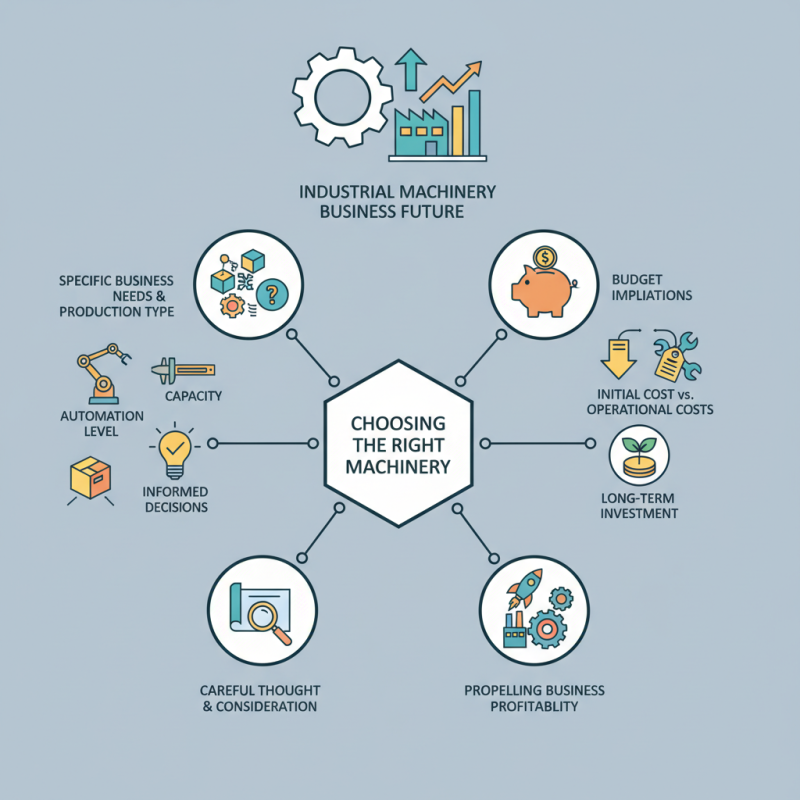
Table of Contents
[Hide]
Understanding Your Business Needs for Industrial Machinery
Understanding your business needs is critical when choosing industrial machinery. Consider what your production goals are. Are you looking for efficiency? Or are you focusing on product quality? Each business has unique requirements. These factors shape your decisions.
Tip: Assess your workflow. Analyze the steps of your production process. Identify bottlenecks and inefficiencies. This analysis can guide your machinery choice.
Don’t forget to evaluate the scalability of your machinery. Is it flexible enough for future growth? What if your production volume increases? These questions are essential to consider. Invest time in understanding these aspects.
Tip: Consult with team members. Gather their insights and experiences. They may offer perspectives you haven’t considered. A collaborative approach often leads to better decisions, even if it feels overwhelming.
Related Posts
-
2026 Top Trends in Metal Parts Manufacturing Industry Insights?
-
What is Metal Machining Equipment and How Does It Work?
-
What is Machining and Manufacturing Techniques Explained
-
Top 10 Best Deep Drawing Steel Techniques for Superior Metal Forming
-

Top Metal Spinning Tools to Enhance Your Manufacturing Process in 2025
-

Top 10 Benefits of Precision Metal Forming for Modern Manufacturing?